Why Self-Insured Employers Systematically Overpay Medical Claims

Jun 1, 2025
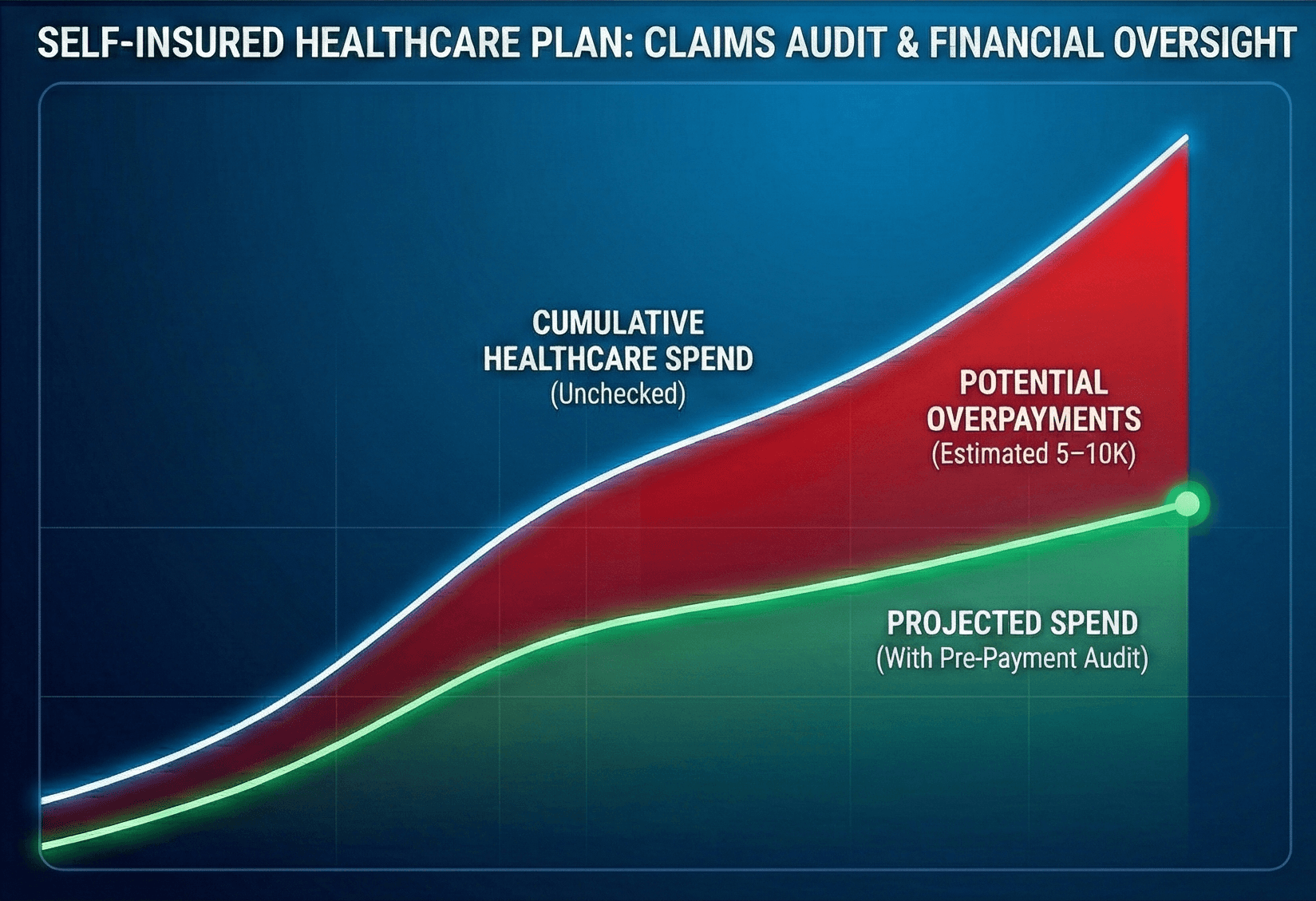
Imagine running a company where you routinely pay invoices without comprehensive verification, accept vendor pricing without validation, and delegate financial oversight to partners whose primary metrics focus on processing speed rather than cost accuracy. You'd never accept this approach in procurement, accounts payable, or any other financial function. Yet this describes exactly how most self-insured healthcare plans operate today. The financial impact is significant, and the legal implications are growing. In 2023, Kraft Heinz sued Aetna for over $1.3 million in improper claims—including duplicate charges that bypassed standard review processes. While the lawsuit was eventually dismissed, it highlighted a critical gap in claims oversight that's costing self-insured employers millions annually. If your organization is self-insured and lacks comprehensive pre-payment claims auditing, you're likely experiencing systematic overpayments that compound year over year. Here's why this gap exists and what leading organizations are doing to address it.

Imagine running a company where you routinely pay invoices without comprehensive verification, accept vendor pricing without validation, and delegate financial oversight to partners whose primary metrics focus on processing speed rather than cost accuracy. You'd never accept this approach in procurement, accounts payable, or any other financial function. Yet this describes exactly how most self-insured healthcare plans operate today. The financial impact is significant, and the legal implications are growing. In 2023, Kraft Heinz sued Aetna for over $1.3 million in improper claims—including duplicate charges that bypassed standard review processes. While the lawsuit was eventually dismissed, it highlighted a critical gap in claims oversight that's costing self-insured employers millions annually. If your organization is self-insured and lacks comprehensive pre-payment claims auditing, you're likely experiencing systematic overpayments that compound year over year. Here's why this gap exists and what leading organizations are doing to address it.

The Current Claims Processing Model Creates Natural Blind Spots

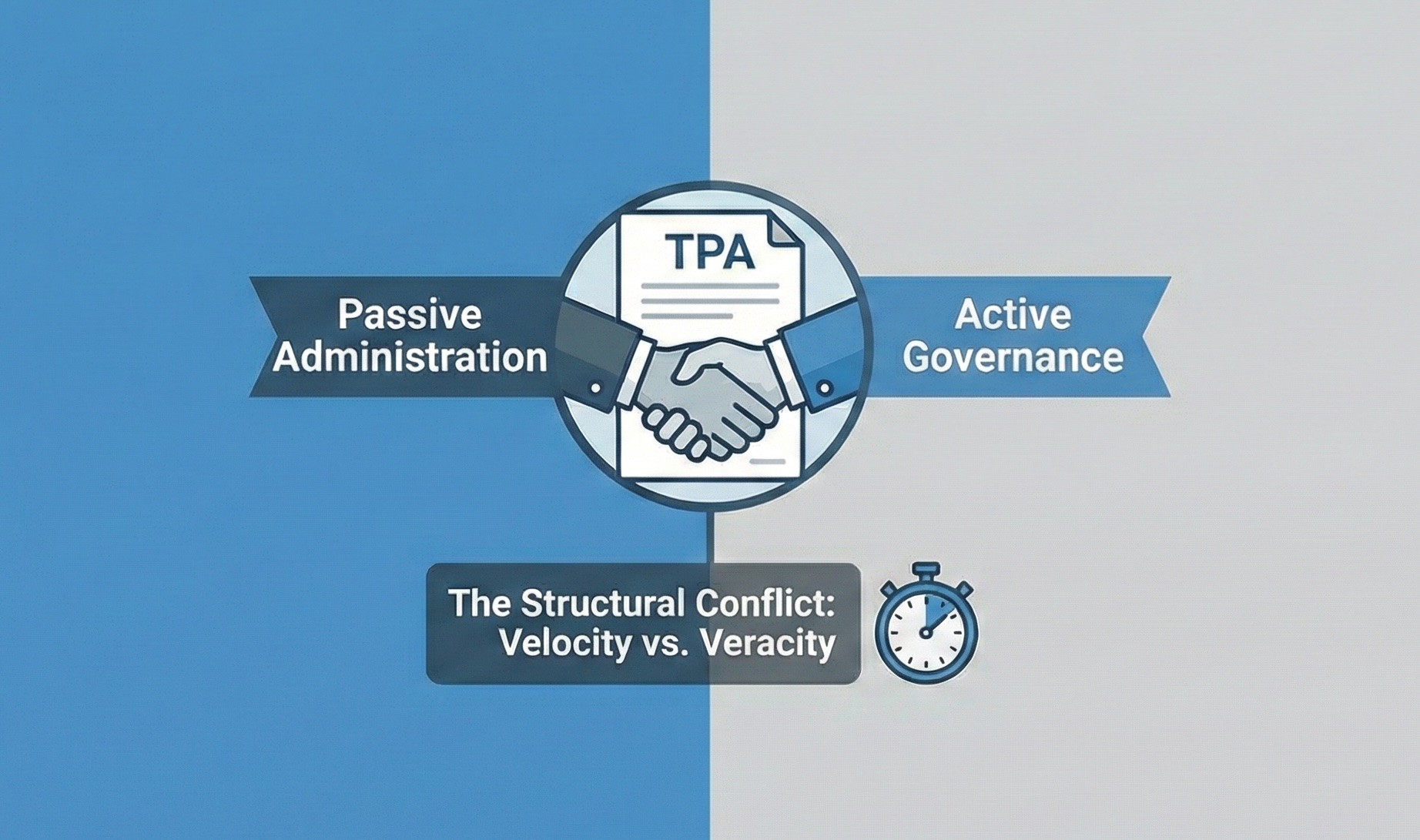
Third-party administrators operate under service level agreements that prioritize claim processing velocity over detailed cost scrutiny. This creates a structural challenge: TPAs are compensated and measured on their ability to process claims quickly and accurately within established workflows, not on their ability to identify potential savings opportunities. This isn't a criticism of TPAs—it's simply how the current model works. Their systems are optimized for efficiency and compliance, which means they excel at processing legitimate claims rapidly. However, this same optimization can create blind spots when it comes to identifying coding errors, contract rate discrepancies, or eligibility oversights that represent valid cost reduction opportunities. The result is a systematic gap between what organizations pay for medical services and what they should pay based on contract terms, coding accuracy, and available program benefits. Under ERISA's fiduciary standards, self-insured employers maintain responsibility for prudent plan management, which includes ensuring appropriate oversight of claims payments. This creates both a compliance imperative and a financial opportunity for organizations willing to implement more comprehensive audit processes.

Third-party administrators operate under service level agreements that prioritize claim processing velocity over detailed cost scrutiny. This creates a structural challenge: TPAs are compensated and measured on their ability to process claims quickly and accurately within established workflows, not on their ability to identify potential savings opportunities. This isn't a criticism of TPAs—it's simply how the current model works. Their systems are optimized for efficiency and compliance, which means they excel at processing legitimate claims rapidly. However, this same optimization can create blind spots when it comes to identifying coding errors, contract rate discrepancies, or eligibility oversights that represent valid cost reduction opportunities. The result is a systematic gap between what organizations pay for medical services and what they should pay based on contract terms, coding accuracy, and available program benefits. Under ERISA's fiduciary standards, self-insured employers maintain responsibility for prudent plan management, which includes ensuring appropriate oversight of claims payments. This creates both a compliance imperative and a financial opportunity for organizations willing to implement more comprehensive audit processes.

Three Primary Sources of Systematic Overpayments

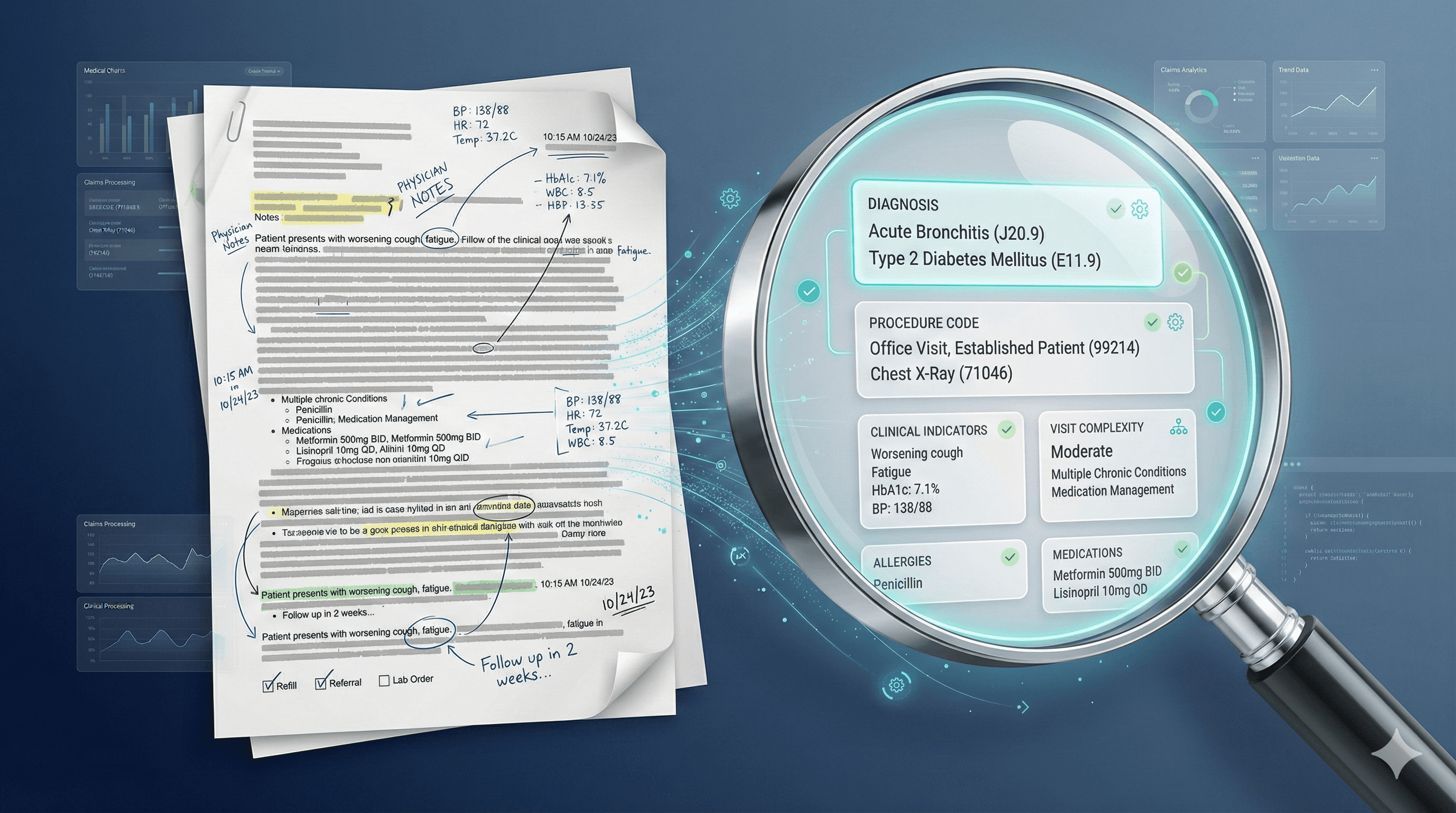
Analysis of self-funded claims data consistently reveals three areas where overpayments occur with notable frequency: 1. Coding Compliance Gaps Hospital billing departments optimize procedure coding within regulatory boundaries to maximize legitimate reimbursement. However, this optimization sometimes results in coding selections that may not fully align with the actual services provided. DRG up-coding and NCCI bundling discrepancies frequently pass through standard review processes, resulting in overpayments that can range from $10,000 to $30,000 per incident for complex inpatient procedures. These aren't necessarily intentional errors—they often reflect the complexity of medical coding and the challenges of translating clinical care into billing codes. 2. Contract Rate Validation Challenges Negotiated provider contracts establish specific reimbursement rates, but systematic verification against actual claims remains uncommon in many organizations. Without automated contract rate validation, there's an inherent reliance on provider billing accuracy that can result in payments above contracted amounts. This represents a significant opportunity area, as contract rate discrepancies tend to be consistent and ongoing rather than one-time occurrences. 3. Underutilized Program Benefits Section 501(r) requires non-profit hospitals to provide charity care based on patient financial circumstances, but proactive eligibility screening rarely occurs as part of standard claims processing. Employees who qualify for charity care reductions based on household income and family size represent potential savings that often go unidentified. Similarly, other program benefits and discounts may be available but not systematically applied without dedicated screening processes.

Analysis of self-funded claims data consistently reveals three areas where overpayments occur with notable frequency: 1. Coding Compliance Gaps Hospital billing departments optimize procedure coding within regulatory boundaries to maximize legitimate reimbursement. However, this optimization sometimes results in coding selections that may not fully align with the actual services provided. DRG up-coding and NCCI bundling discrepancies frequently pass through standard review processes, resulting in overpayments that can range from $10,000 to $30,000 per incident for complex inpatient procedures. These aren't necessarily intentional errors—they often reflect the complexity of medical coding and the challenges of translating clinical care into billing codes. 2. Contract Rate Validation Challenges Negotiated provider contracts establish specific reimbursement rates, but systematic verification against actual claims remains uncommon in many organizations. Without automated contract rate validation, there's an inherent reliance on provider billing accuracy that can result in payments above contracted amounts. This represents a significant opportunity area, as contract rate discrepancies tend to be consistent and ongoing rather than one-time occurrences. 3. Underutilized Program Benefits Section 501(r) requires non-profit hospitals to provide charity care based on patient financial circumstances, but proactive eligibility screening rarely occurs as part of standard claims processing. Employees who qualify for charity care reductions based on household income and family size represent potential savings that often go unidentified. Similarly, other program benefits and discounts may be available but not systematically applied without dedicated screening processes.

Technology Solutions Enable Comprehensive Pre-Payment Review

Recent advances in healthcare data availability and automated analysis have fundamentally changed the economics of comprehensive claims auditing. Hospital price transparency requirements combined with sophisticated rule engine technology now enable systematic pre-payment review at scale. Modern audit systems can process 95% of claim lines within 48-hour processing windows while maintaining false positive rates below 3%. This precision enables thorough cost scrutiny without disrupting standard claims processing workflows. These systems can simultaneously: Validate coding compliance against established guidelines Verify contract rates against negotiated terms Screen for available program benefits and discounts Compare pricing against established benchmarks

Recent advances in healthcare data availability and automated analysis have fundamentally changed the economics of comprehensive claims auditing. Hospital price transparency requirements combined with sophisticated rule engine technology now enable systematic pre-payment review at scale. Modern audit systems can process 95% of claim lines within 48-hour processing windows while maintaining false positive rates below 3%. This precision enables thorough cost scrutiny without disrupting standard claims processing workflows. These systems can simultaneously: Validate coding compliance against established guidelines Verify contract rates against negotiated terms Screen for available program benefits and discounts Compare pricing against established benchmarks

Implementation Framework for Self-Funded Employers

Organizations evaluating enhanced claims oversight should consider establishing specific performance metrics and requirements: Comprehensive Coverage: Pre-payment review of at least 95% of facility claims within standard processing timeframes, with documented analysis of flagged items. Measurable Performance: Establish baseline cost metrics and target reductions, with regular reporting on identified savings and implementation success rates. Automated Processes: Implement systematic appeal generation and processing for identified discrepancies, reducing administrative burden while ensuring consistent follow-through. Transparent Reporting: Develop comprehensive analytics showing cost patterns, savings identification, and audit performance across different service categories and providers.
Organizations evaluating enhanced claims oversight should consider establishing specific performance metrics and requirements: Comprehensive Coverage: Pre-payment review of at least 95% of facility claims within standard processing timeframes, with documented analysis of flagged items. Measurable Performance: Establish baseline cost metrics and target reductions, with regular reporting on identified savings and implementation success rates. Automated Processes: Implement systematic appeal generation and processing for identified discrepancies, reducing administrative burden while ensuring consistent follow-through. Transparent Reporting: Develop comprehensive analytics showing cost patterns, savings identification, and audit performance across different service categories and providers.

Recovery on autopilot

Dispute, track, recover, and close overpayments fast

Recovery on autopilot

Dispute, track, recover, and close overpayments fast

Recovery on autopilot

Dispute, track, recover, and close overpayments fast

Recovery on autopilot

Dispute, track, recover, and close overpayments fast

Catch costly errors before payment and recover what slips through

© 2025 Avelis Inc.

Catch costly errors before payment and recover what slips through

© 2025 Avelis Inc.

Catch costly errors before payment and recover what slips through

© 2025 Avelis Inc.

Catch costly errors before payment and recover what slips through

© 2025 Avelis Inc.