The Kraft Heinz Precedent: Is Your TPA Protected from ERISA Liability?
Nov 28, 2025
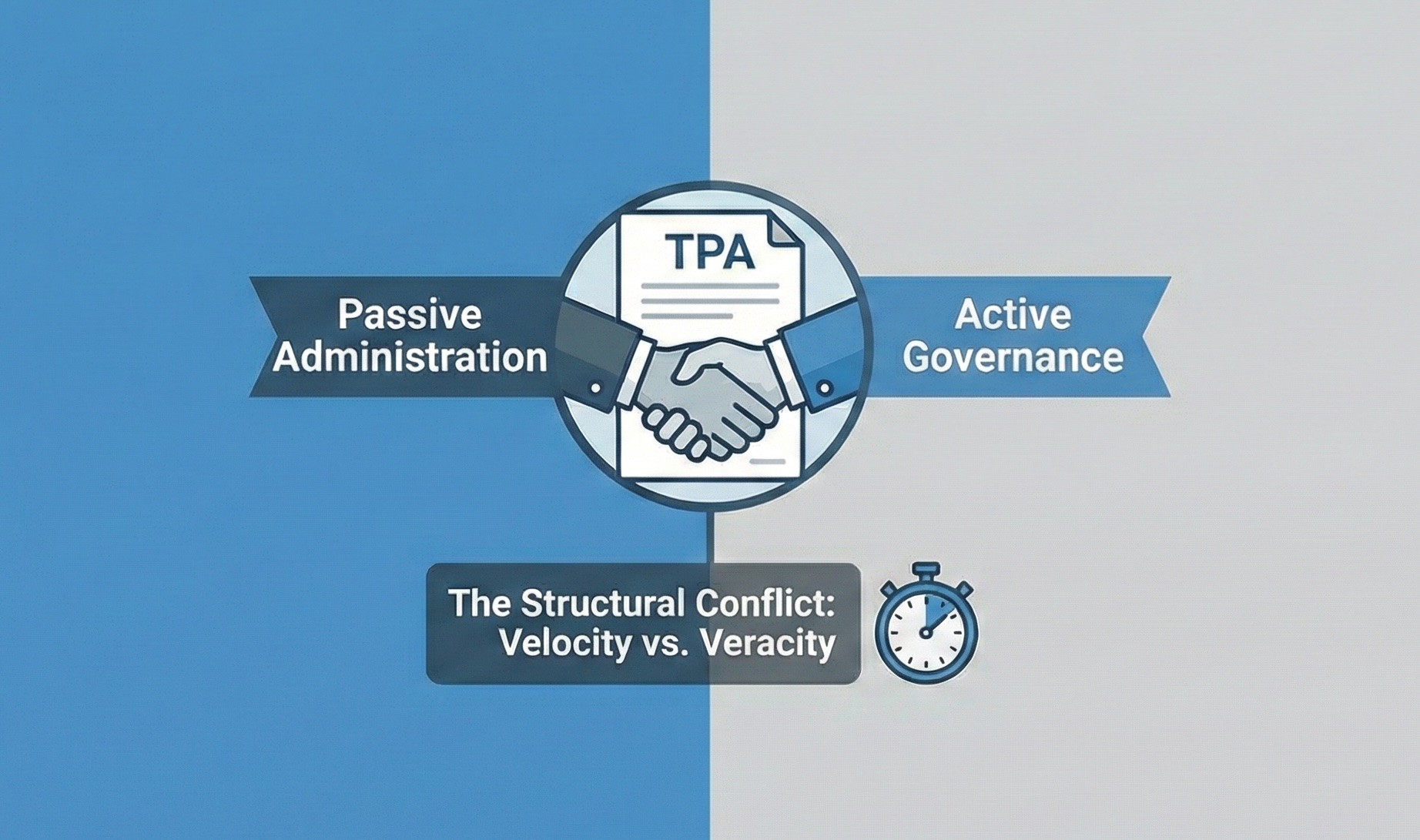
If your finance department discovered that a vendor was routinely overcharging you by 3% on every invoice, and that your accounts payable team was aware of the errors but lacked the resources to dispute them, you would immediately overhaul your internal controls. You would view this not just as an operational inefficiency, but as a failure of fiduciary governance. Yet, this is the precise reality for most self-insured health plans today. The legal landscape of benefits administration is shifting. In 2023, The Kraft Heinz Company sued Aetna, alleging that the insurer leveraged its role as a Third Party Administrator (TPA) to enrich itself to the detriment of the plan sponsor. While the specific legal outcomes of such cases vary, the signal to the market is unambiguous: passive administration is no longer a defense. If your organization is self-insured and relies solely on your TPA for claims integrity, you are likely exposing your plan to avoidable financial leakage and your board to rising ERISA liability. Here is why the structural gap exists and how fiduciary standards are evolving to close it.
The Structural Conflict: Velocity vs. Veracity
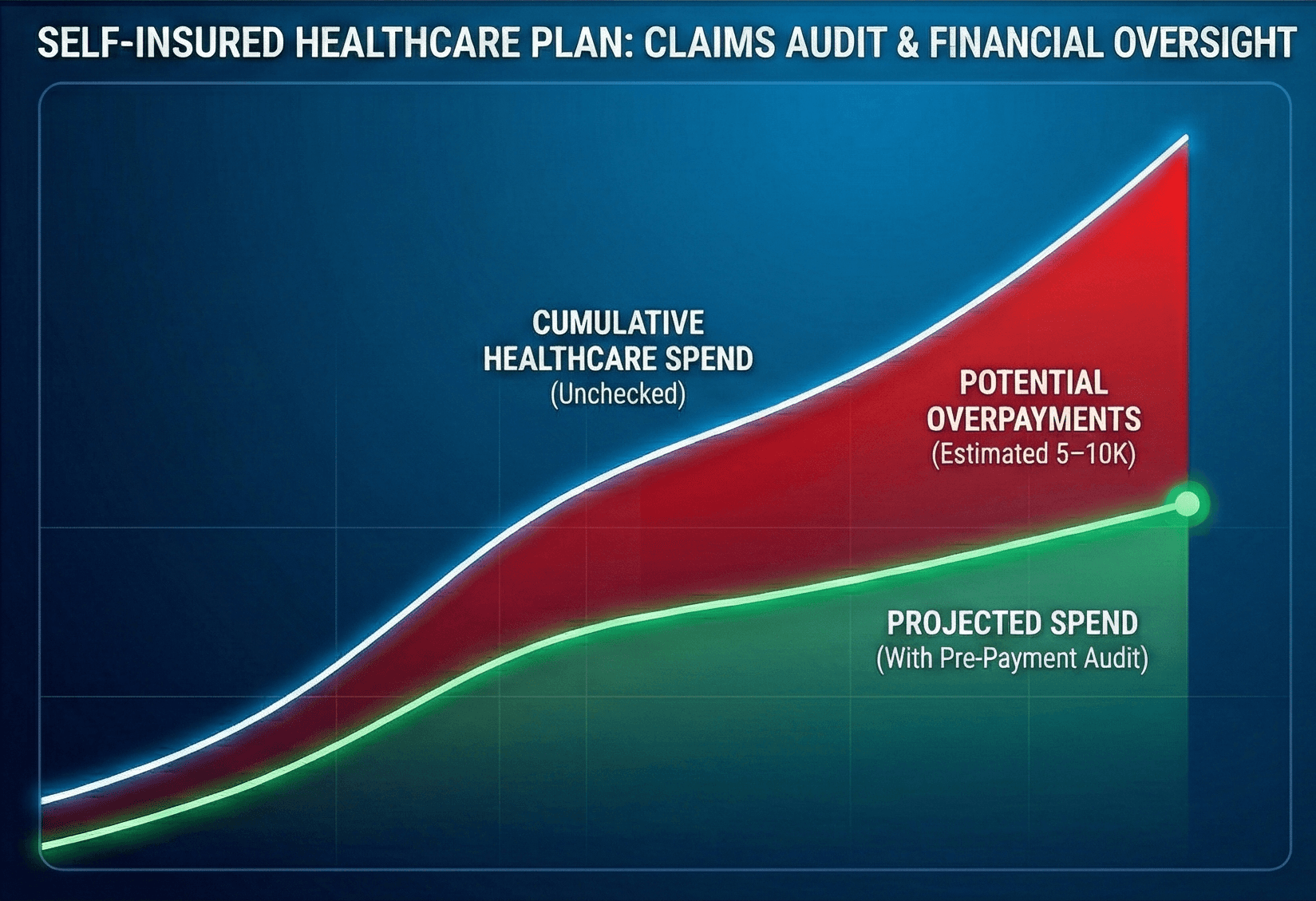
The core issue stems from misaligned incentives rather than malice. TPAs are contractually obligated to process claims with speed and efficiency to meet Service Level Agreements. Their systems utilize "auto-adjudication" to pay claims quickly, which maintains provider relationships and avoids penalties. This focus on velocity creates inevitable blind spots regarding veracity. Standard processing workflows miss 2-3% of errors on medical claims. For a plan with $100 million in annual spend, that equates to ~$3 million in avoidable leakage every year. When TPAs do not audit properly, plan sponsors pay the price. The Kraft Heinz complaint alleged that Aetna breached its fiduciary duties by engaging in prohibited transactions and failing to act in the best interest of the plan. Under ERISA, the ultimate responsibility for prudent plan management rests with the plan sponsor, not the administrator.
Why Legacy Audits Fail the Fiduciary Test
Plan sponsors have historically attempted to mitigate this risk through random sampling or high-dollar threshold audits. These methods are mathematically insufficient for the complexities of modern billing. 1. The Fallacy of Sampling: Legacy tools typically review only a fraction of claims or focus exclusively on outliers. This approach leaves the vast majority of claim volume unchecked. In a modern billing environment, leakage distributes across thousands of mid-sized claims containing nuanced coding errors, such as modifier abuse or quantity mismatches. 2. The "Black Box" of Automated Denials: Many existing solutions rely on opaque algorithms that flag claims without context. This leads to high false-positive rates and provider abrasion. A fiduciary process requires defensible detection backed by clinical evidence. Without reviewing medical records to verify intent, systems cannot effectively distinguish between a necessary medical deviation and a billing error.
A New Standard for Financial Rigor
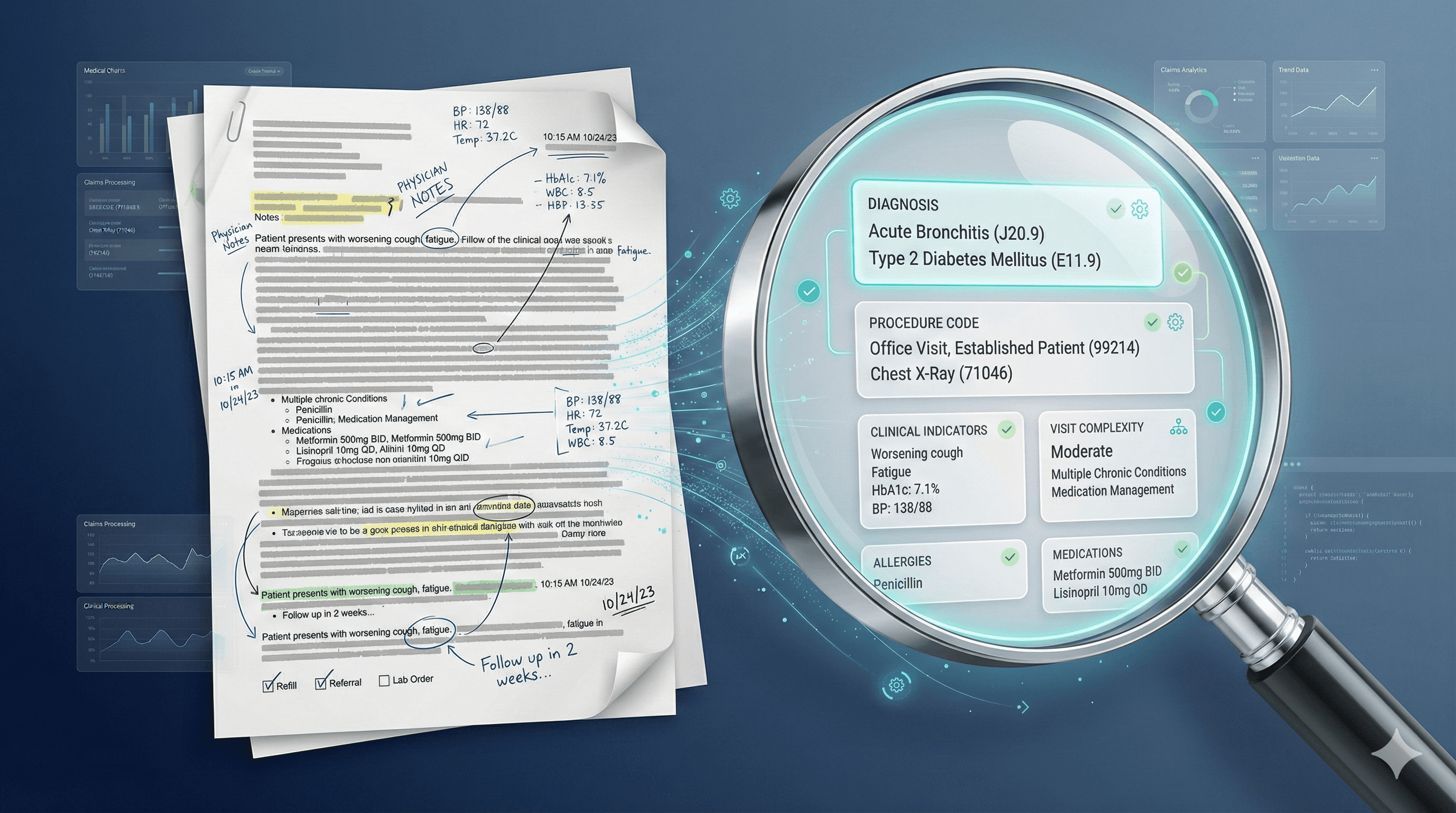
To protect against liability and stop leakage, self-insured employers must move beyond passive reliance on TPA adjudication. The standard for prudence is shifting toward 100% claim auditing using advanced Machine Learning models capable of reviewing every line item at the patient level. Effective oversight requires a system that can execute three specific functions. First, it must audit every claim for code and contract errors post-pay rather than relying on samples. Second, clinicians must validate ML findings to ensure flags are based on medical necessity and contract adherence rather than simple statistical anomalies. Finally, the process must close the recovery loop. Identifying an error is insufficient; a robust fiduciary process must track the dispute cycle through to the actual recovery of funds.
Moving from Passive Administration to Active Governance
The Kraft Heinz v. Aetna case serves as a precedent because it exposed the fragility of the traditional relationship between TPA and plan sponsor. It demonstrated that when TPAs fail to audit properly, plan sponsors are willing to seek equitable relief in court. For CFOs and benefits leaders, this opportunity allows you to apply the same level of financial rigor to healthcare claims that you apply to every other major expense category. Implementing independent, comprehensive auditing stops systematic overpayments, recovers millions in lost capital, and demonstrates the high level of fiduciary oversight that modern ERISA standards demand.
Recovery on autopilot
Dispute, track, recover, and close overpayments fast
Recovery on autopilot
Dispute, track, recover, and close overpayments fast
Recovery on autopilot
Dispute, track, recover, and close overpayments fast
Recovery on autopilot
Dispute, track, recover, and close overpayments fast
© 2025 Avelis Inc.

© 2025 Avelis Inc.

© 2025 Avelis Inc.

© 2025 Avelis Inc.